Click to invest now


If you’re planning for 2026, three fresh signals deserve a spot in your thinking: another Fed cut, a mixed rent print, and bank-rule headlines.
The Fed trimmed rates by 25 bps to 3.50%–3.75%—the third cut this year. Markets see this as a step toward easier financing and a calmer cost of capital in 2026. But smart underwriting still assumes modest debt relief and focuses on operating cash flow as the main driver of returns.
Investor takeaway: Use lower rates as a tailwind, not the thesis. Cash-flow first. Value creation should come from what you control—unit upgrades and operations.
Apartments.com’s latest report shows clear dispersion. Leaders: San Francisco (+5.6% YoY), San Jose (+3.6%), Chicago (+3.4%), Norfolk (+3.3%). Laggards: Austin (-4.7%), Denver (-3.6%), Phoenix (-3.2%)—mostly where new supply still weighs on pricing. This is why basis and submarket choice matter more than ever.
Investor takeaway: Favor metros/submarkets with diverse job drivers, attainable price points, and a clear gap to Class A. That’s where renovated Class B wins on value.
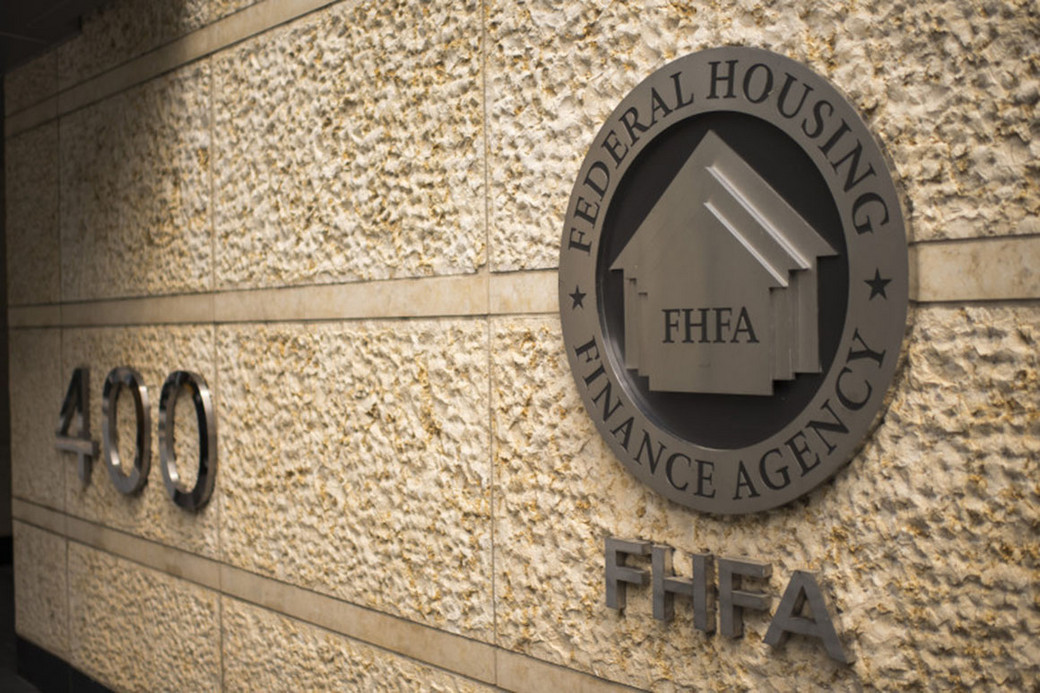
GlobeSt highlighted another post-2009 safeguard being loosened, raising concern about lender resilience and parts of CRE. That doesn’t change the need for housing, but it does argue for clean structures, conservative leverage, and sponsors who can operate through bumps.
Investor takeaway: When the rulebook moves, stick to straightforward assets with transparent cash flow and steady reporting.
➤ What we buy: Value-add apartments at below-replacement-cost pricing.
➤ How we create value: We upgrade livability—kitchens, durable flooring, lighting, smart access, pet spaces, package rooms—and keep communities clean and well-lit.
➤ How we operate: Renewals over giveaways. Service SLAs, proactive maintenance, clear fees.
➤ Where we focus: Atlanta, Tampa, Charleston, Dallas–Fort Worth, and Houston—growth corridors with strong job bases and deep renter pools.
➤ How we underwrite: Conservative leverage, realistic rent deltas, and multiple exit options (hold/refi/sell).
➤ Policy path: More Fed cuts would help cap-rate stability, but plan for a slow glide, not a rapid reset.
➤ Rent dispersion: Track which submarkets absorb new supply fastest; leaders today may not be leaders tomorrow.
➤ Credit conditions: If bank-rule shifts widen the gap between lenders, strong sponsors with clear business plans should keep finding capital—often on better terms than headline fear suggests.
For 2026, the path is clear: own real cash flow, improve what residents use every day, and keep leverage sane. Rates are easing, rents are mixed, and the rulebook is moving. In that mix, renovated Class B—priced under new Class A—remains one of the cleanest ways to pursue steady income and sensible upside.
👉 If you’d like to be added to our investor list to see future opportunities like this one, please schedule a call with our team.

mj.png)
nh.png)

klo.png)
_war.png)
mkj%20(2).png)


ggj.png)

p.png)

ok.png)
-n%5D.png)