Click to invest now


The headline: Today’s GlobeSt read underscores a quiet but important shift: cap rates are falling while multifamily returns remain ahead of much of CRE. In a market that’s been waiting for confirmation, this is the kind of incremental move that often marks the early phase of recovery.
➤ Cap rates nudged lower. CBRE reports the average core going-in multifamily cap rate fell 2 bps to 4.73% in Q3 (exit caps 4.95%). It’s not dramatic—but inflections rarely are.
➤ Returns stabilized. NCREIF’s Q3 NPI total return was 1.22%, essentially flat vs. Q2, indicating broad stabilization in private real estate. Sector snapshots show apartments among the top performers over the past year.
Layer on the broader capital backdrop—headlines in recent weeks have highlighted easing CRE borrowing costs—and you have the ingredients for liquidity to keep thawing into year-end.
Cap rates are the market’s shorthand for pricing risk and return. When cap rates compress while a property’s NOI holds or grows, the asset’s value typically moves higher, and the unlevered return profile improves. In apartments, two forces make that compression stickier:
1. Durable demand. With mortgage rates still elevated, many households rent longer, stabilizing occupancy for well-located communities.
2. Attainable value wins. Renovated Class B priced under shiny new Class A captures cost-conscious renters without concession wars.
This is exactly why multifamily has outpaced many peers on recent total return scorecards—steady income plus the potential for modest spread compression.
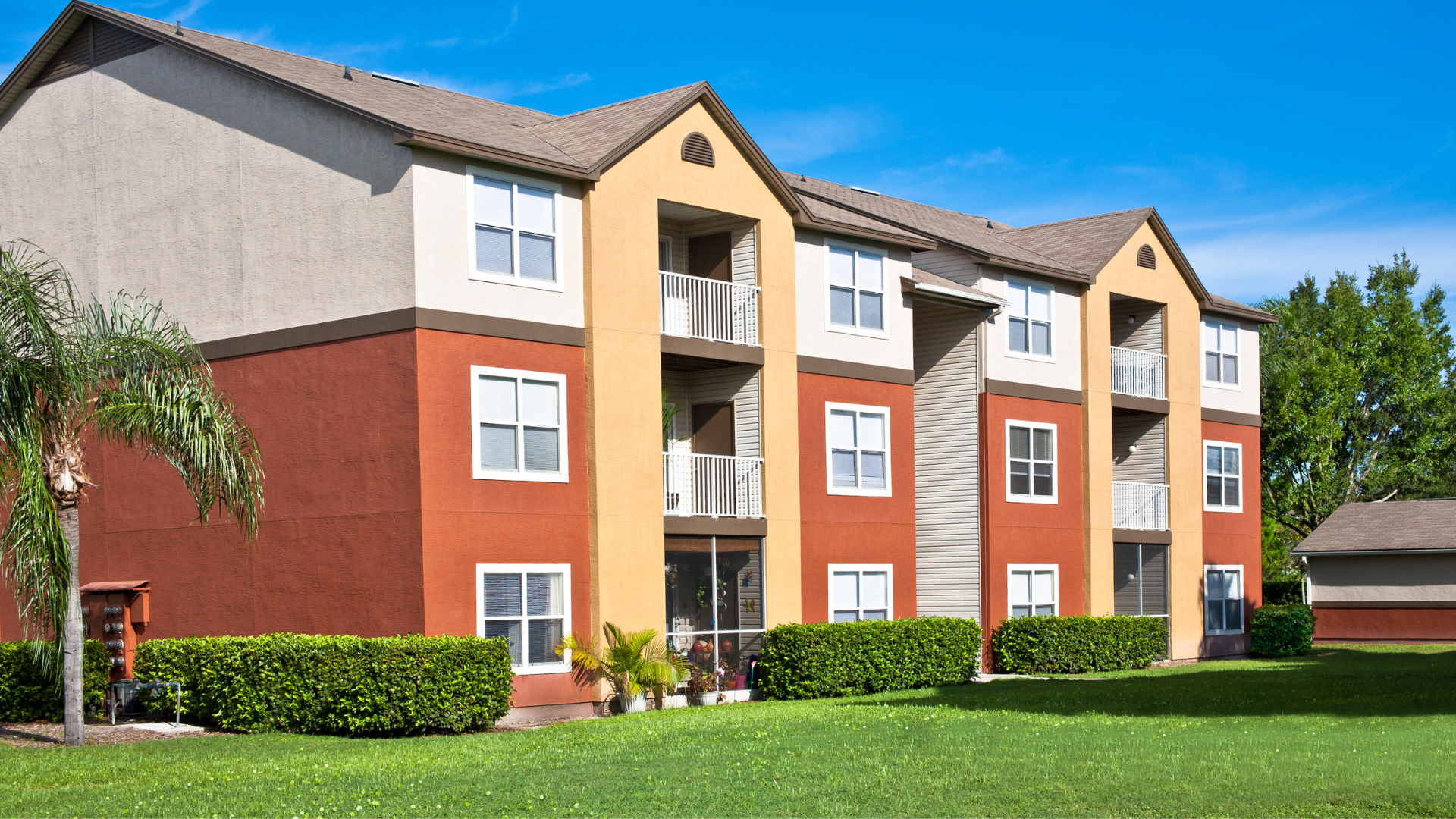
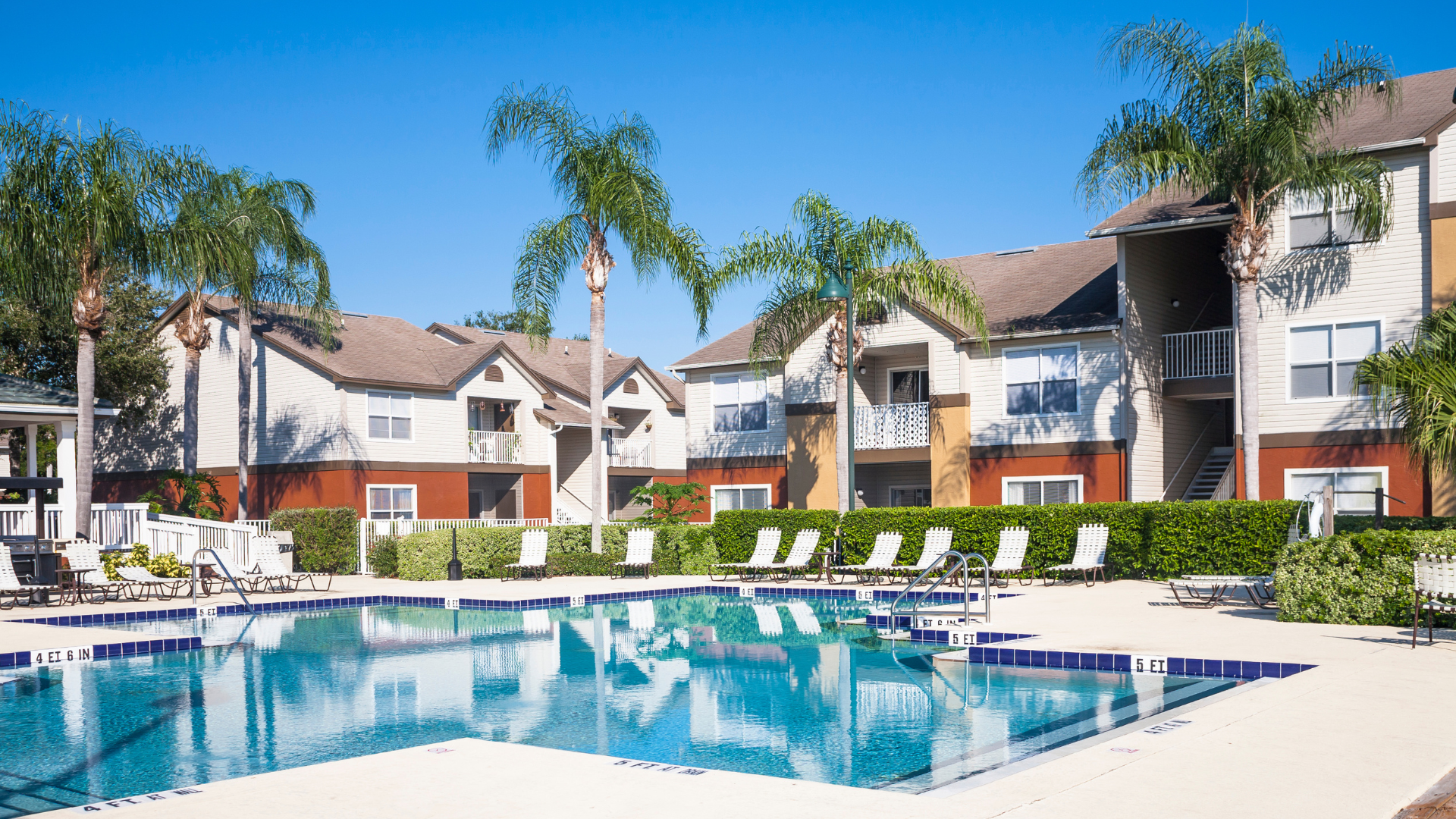
At Faris Capital Partners, we’re focused on value-add apartments in landlord-friendly, job-growth markets:
➤ Southeast core: Atlanta, Tampa, Charleston—benefiting from in-migration, business formation, and favorable operating climates.
➤ Texas launch: Dallas–Fort Worth adds scale, job diversity, and deep renter pools, reinforcing our “attainable quality at a discount to new build” thesis.
Our playbook is deliberately simple:
➤ Buy below replacement cost with day-one cash flow where possible.
➤ Upgrade what residents use daily—kitchens, durable flooring, lighting, smart access, pet amenities, package rooms—turning livability into sustainable rent.
➤ Operate for renewals, not giveaways—clean, well-lit communities and responsive service to keep occupancy tight.
➤ Underwrite conservatively (no “hero” rent or rate bets) with multiple exit paths (hold/refi/sell).
No strategy is bulletproof. Watch for:
➤ A negative macro surprise that dents employment and leasing demand.
➤ A sudden jump in long-term rates that reverses cap-rate compression.
➤ Policy shocks that distort operating expenses or capital access.
For now, the directional evidence—caps edging down, apartments near the top of sector returns, and more accommodating financing—is supportive.
Turns happen gradually, then obviously. Today’s data points to a gradual turn already underway in apartments: cap rates slipping, returns holding up vs. peers, and capital re-engaging. For investors who want resilient income with sensible upside, value-add multifamily in growth markets remains one of the cleanest ways to participate.
If you’d like to be added to our investor list to see future opportunities like this one, please schedule a call with our team.
If you sat out our last raise, this is the moment to get on the priority list so you see the next opportunity first.
👉 Reserve priority access (no obligation; first look when we open)
👉 Schedule a no-obligation call with our team
Sources: GlobeSt, Cap Rates Fall as Multifamily Returns Stay Ahead of CRE Peers (Nov 18, 2025); CBRE, Multifamily Buyer Sentiment Improves in Q3 (cap rates down 2 bps to 4.73%); NCREIF, NPI Q3 2025 Press Release (1.22% total return); Yield PRO, Multifamily housing investment rises in Q3 (apartments near top of sector returns); GlobeSt, CRE Interest Rates Fall (agencies, life companies lead).

mj.png)
nh.png)

klo.png)
_war.png)
mkj%20(2).png)


ggj.png)

p.png)

ok.png)
-n%5D.png)